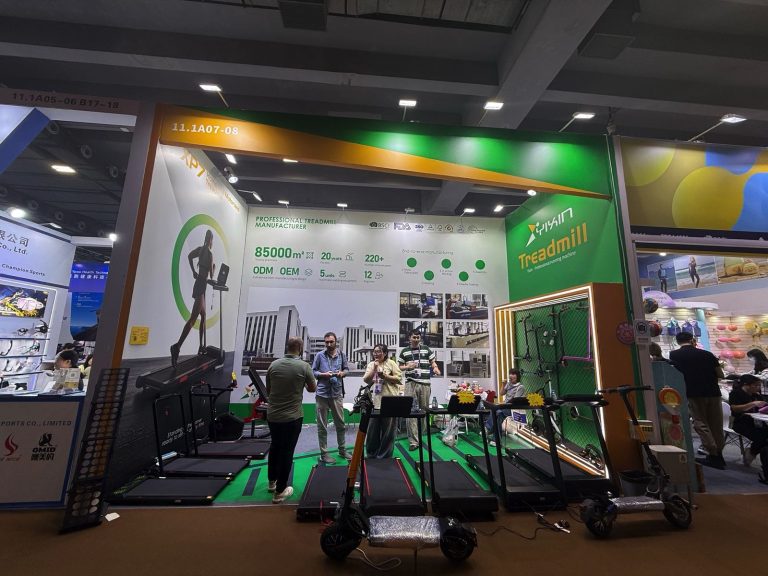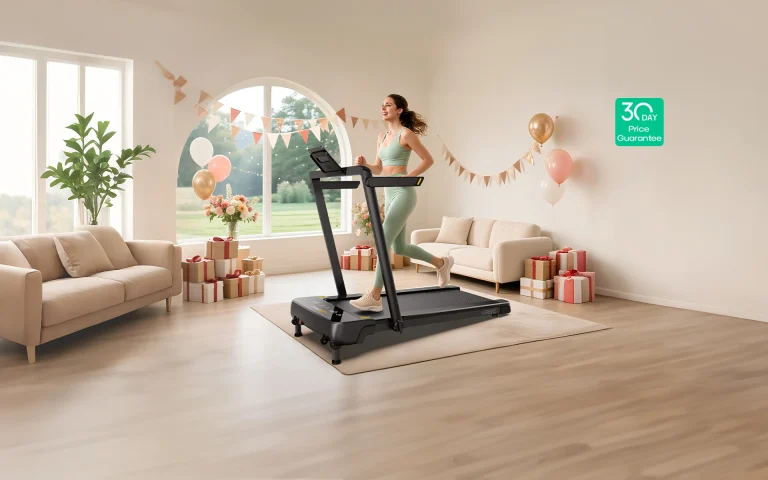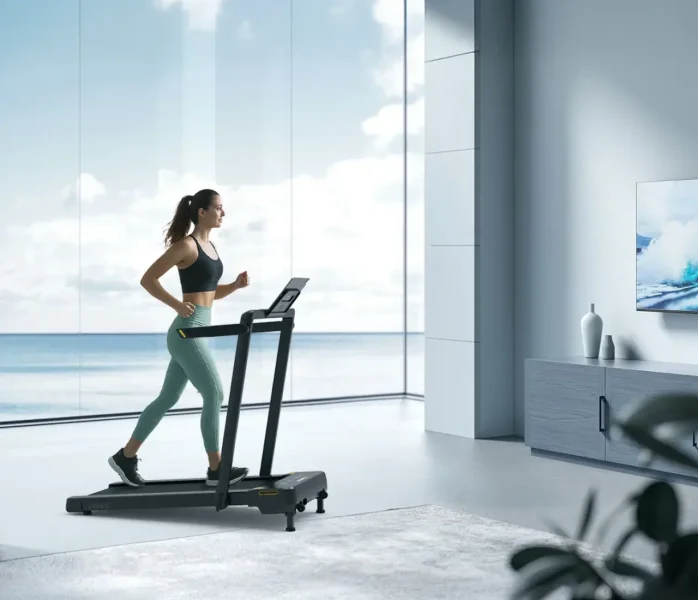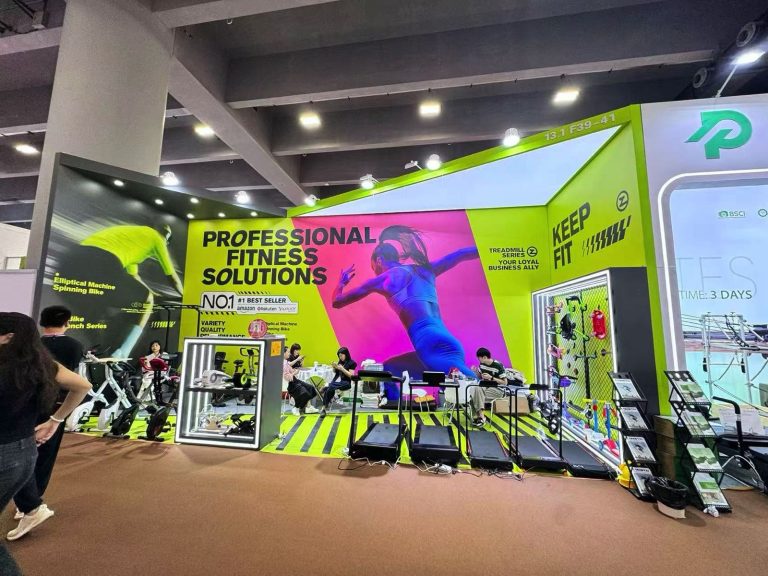

Folding decks dominate the home market, but non-folding platforms still have a place. Compare engineering trade-offs, margins, and buyer expectations.

The home treadmill segment is overwhelmingly folding-first. Space-conscious consumers drive demand for decks that lift and lock upright. Yet non-folding models remain relevant for performance-oriented buyers and commercial-light applications. Manufacturers must understand both paths when building a product portfolio.
Folding deck engineering
A reliable folding mechanism depends on hinge design, gas spring or hydraulic assist, and deck rigidity when locked. Weak locking systems create wobble at speed — a common source of warranty claims. Quality OEMs run cycle tests simulating thousands of fold/unfold operations and high-speed running sessions on the locked deck.
Non-folding advantages
Fixed-frame treadmills typically offer greater stability, higher weight capacities, and simpler maintenance. They appeal to dedicated runners and semi-commercial settings such as boutique studios or corporate wellness rooms. Margins can be stronger when positioned as premium platforms with larger motors and wider belts.
Logistics and packaging
Folding units often ship in smaller cartons, reducing freight cost per unit — a significant factor for e-commerce brands. Non-folding models require bulkier packaging and higher damage risk if corner protection and palletization are inadequate. Factor logistics into landed cost models for each SKU.
Portfolio strategy
Many successful brands offer a folding entry/mid tier and a non-folding performance tier. Shared motor and console platforms across both lines can lower development cost while giving sales teams clear positioning stories.
Whether you prioritize compact living-room fit or running performance, align frame architecture with your target price band and distribution channel from the first design review.