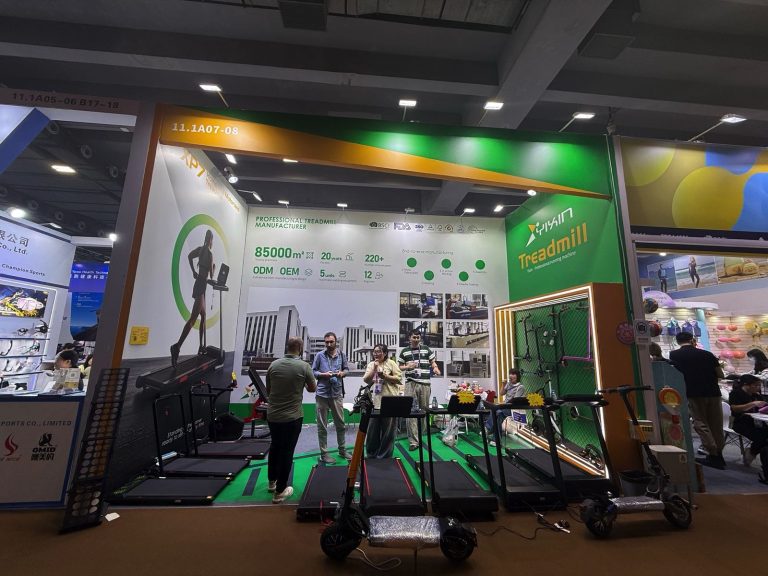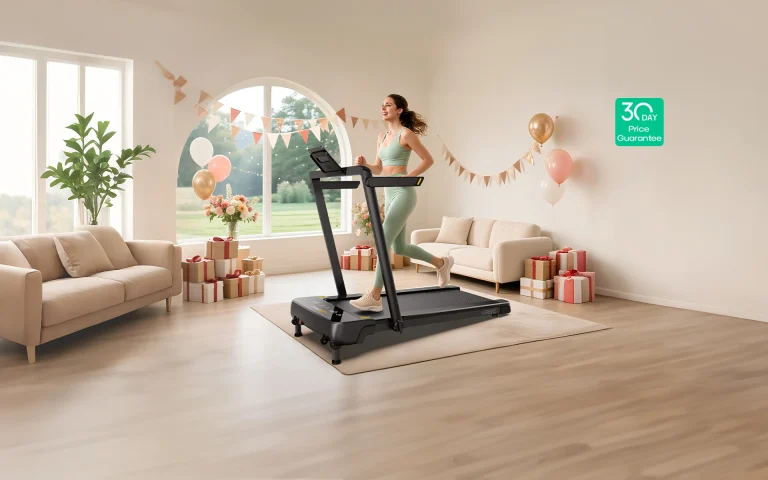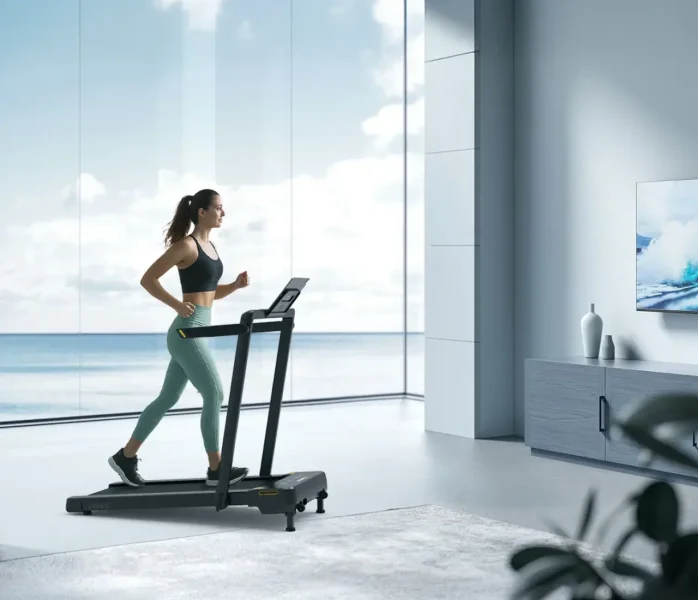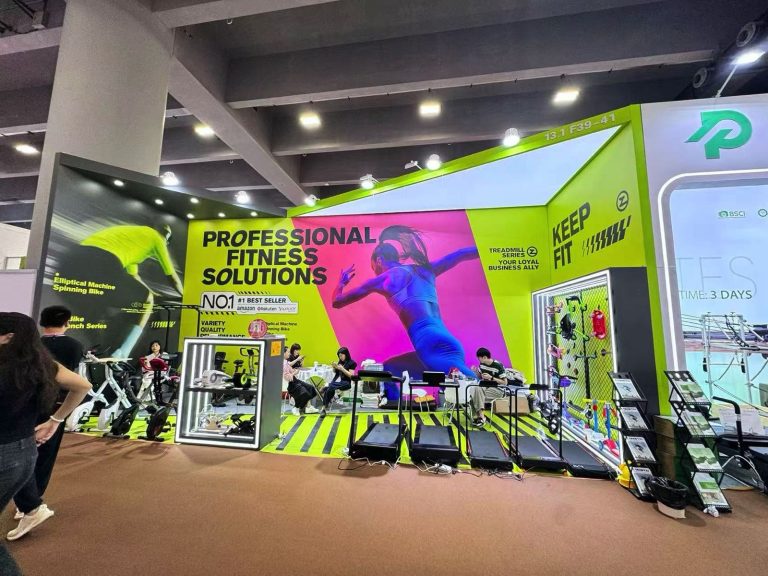

A practical roadmap for launching a private-label treadmill line — from industrial design and sampling to mass production and international shipment.

Private-label treadmill programs let retailers and fitness brands sell under their own name without building a factory. Success depends on a clear roadmap from concept to container load. Here is how experienced OEM partners typically structure the journey.
Phase 1: Discovery and platform selection
Start with target price, market positioning, and must-have features. Manufacturers often recommend an existing platform as the mechanical base, then customize console, cosmetics, and packaging. This approach shortens development compared with a ground-up ODM project.
Phase 2: Industrial design and prototyping
CMF decisions — colors, materials, finishes — combine with branding on shrouds, consoles, and user manuals. Functional prototypes validate ergonomics, noise levels, and app integration. Expect one to two revision cycles before golden sample approval.
Phase 3: Certification and pilot run
Parallel to design freeze, initiate safety and EMC testing required for destination markets. A pilot production run (often 50–100 units) confirms line readiness and packaging fit before scaling to full MOQ.
Phase 4: Mass production and logistics
Production scheduling aligns with component lead times for motors, displays, and custom molded parts. FOB or CIF terms, container loading plans, and spare-parts kits for warranty support should be agreed before the first bulk order ships.
Private label does not mean generic. With the right manufacturing partner, brands deliver differentiated treadmills that reflect their identity — while the factory handles the complexity behind the frame.